


Last Updated: June 2026
Pregnancy often inspires people to take a closer look at their diet and supplement routine. With sea moss gaining popularity as a wellness supplement, many expecting mothers wonder whether it's safe to take during pregnancy.
In this guide, we'll explore what the science says about sea moss during pregnancy, its potential benefits, possible risks, and what to discuss with your healthcare provider before using it.
Is Sea Moss Safe During Pregnancy? Quick Answer
There is currently insufficient research to confirm that sea moss supplements are safe during pregnancy. While sea moss contains naturally occurring iodine and other nutrients, its iodine content can vary significantly between products. Because excessive iodine intake may affect thyroid function in both mother and baby, healthcare professionals typically recommend speaking with your healthcare provider before taking sea moss during pregnancy.
What Is Sea Moss?
Sea moss, also known as Irish moss, is a type of red seaweed that grows along rocky coastlines in the Atlantic Ocean and Caribbean waters.
It contains naturally occurring nutrients, including:
- Iodine
- Potassium
- Magnesium
- Calcium
- Iron
- Fiber
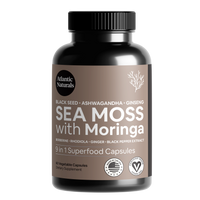
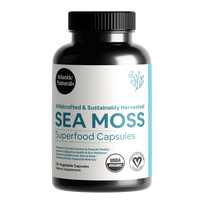
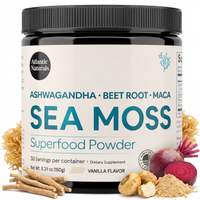
Sea moss is commonly sold as gels, capsules, powders, gummies, and raw dried sea moss.
If you're new to sea moss, you may also want to learn whether Irish moss is the same as sea moss, as the terms are often used interchangeably.
Why Do Some Pregnant Women Consider Taking Sea Moss?
Interest in sea moss during pregnancy often stems from its nutrient content and growing popularity in the wellness space.
Many people view sea moss as a natural source of vitamins and minerals. To learn more about its nutritional profile, explore our guides on what vitamins are in sea moss and what minerals are in sea moss.
Some people believe sea moss may help support:
- General nutrition
- Digestive health due to its fiber content
- Thyroid health because it contains iodine
- Overall wellness
However, it's important to note that these potential benefits have not been specifically established in pregnant women, and there is currently limited clinical research on sea moss supplementation during pregnancy.
For a broader look at the research, read our article on evidence-based sea moss benefits and side effects.
Potential Benefits of Sea Moss During Pregnancy
Although research is limited, sea moss contains nutrients that play important roles in overall health.
May Provide Iodine
Sea moss naturally contains iodine, an essential nutrient required for thyroid hormone production and healthy fetal development.
However, iodine levels in sea moss can vary widely depending on species, harvesting location, and processing methods.
Contains Naturally Occurring Minerals
Sea moss contains minerals such as magnesium, calcium, potassium, and iron.
While these nutrients are important during pregnancy, sea moss should not be relied upon as a primary source because nutrient levels vary significantly between products.
May Support Digestive Health
Sea moss contains soluble fiber, which may support digestive health and regular bowel movements.
However, there is currently little research specifically evaluating sea moss for digestive health during pregnancy.
Potential Risks of Sea Moss During Pregnancy
- Excess iodine intake
- Potential contaminant exposure
- Unknown safety due to limited research
- Possible interactions with thyroid medications
The Main Concern: Iodine Levels
Iodine is essential during pregnancy because it helps support normal thyroid hormone production and fetal brain development.
Pregnant women have higher iodine requirements than non-pregnant adults.
The Recommended Dietary Allowance (RDA) for iodine during pregnancy is 220 mcg per day, according to the National Institutes of Health.
One challenge with sea moss is that its iodine content can vary significantly.
Factors such as species, harvesting location, growing conditions, and processing methods can all affect how much iodine a product contains.
This makes it difficult to know exactly how much iodine you're consuming from a sea moss supplement.
Research suggests that excessive iodine intake during pregnancy may contribute to thyroid dysfunction in some women and may affect fetal thyroid function.
For this reason, many healthcare professionals recommend obtaining iodine through prenatal vitamins and other reliable dietary sources rather than relying on supplements with highly variable iodine levels.
Can Sea Moss Replace Prenatal Vitamins?
No.
Sea moss should not be considered a replacement for prenatal vitamins.
Prenatal vitamins are specifically formulated to provide standardized amounts of key nutrients such as:
- Folic acid
- Iron
- Vitamin D
- Choline
- Iodine (when included)
Sea moss products can vary significantly in their nutrient content and are not designed to replace prenatal supplements recommended by healthcare professionals.
Potential Contaminant Concerns
Like other seaweeds, sea moss can absorb substances from the surrounding water.
Depending on where it is grown and how it is processed, sea moss products may contain varying levels of:
- Heavy metals
- Environmental pollutants
- Other contaminants
Because dietary supplements are not regulated as strictly as prescription medications, choosing products that undergo third-party testing is particularly important.
Is Sea Moss Safe During the First Trimester?
There is currently insufficient research evaluating sea moss use specifically during the first trimester.
Because early pregnancy is a critical period for fetal growth and development, healthcare providers generally recommend discussing any supplement use with your doctor before taking it.
This includes sea moss, sea moss gel, powders, capsules, tablets, liquids, and gummies.
What Do Healthcare Professionals Recommend?
Most healthcare professionals recommend focusing on well-established prenatal nutrition strategies.
This includes:
- Taking a prenatal vitamin recommended by your provider
- Eating a balanced diet
- Meeting recommended folic acid intake
- Getting adequate iron, calcium, and vitamin D
Because sea moss supplements are not routinely recommended during pregnancy and their iodine content can vary significantly, many healthcare professionals advise discussing their use with a qualified healthcare provider before taking them.
Your healthcare provider can help determine whether sea moss is appropriate for your individual circumstances and ensure you're meeting your nutritional needs safely.
If you're already taking sea moss regularly, you may also find our guide on whether it is safe to take sea moss daily helpful.
Disclaimer
This article is for informational purposes only and should not be considered medical advice. Always consult your physician, OB-GYN, or qualified healthcare provider before taking any supplement during pregnancy.


Leave a Comment