

Quick Answer: Irish moss and sea moss are not exactly the same. Irish moss refers specifically to Chondrus crispus, a cold-water red algae, while sea moss is a broader term that includes several species like Gracilaria and Eucheuma. While they share similar uses and benefits, they differ in origin, texture, and nutrient profile.
Understanding this difference can help you choose the right type for your health goals, recipes, or supplements.
If you’ve been researching sea moss, you’ve probably seen terms like Irish moss, sea moss, and even Jamaican sea moss used interchangeably.
Here’s where most people get confused…
- Irish moss = Chondrus crispus (true, original species)
- Sea moss = umbrella term (includes Gracilaria, Eucheuma, and others)
In simple terms:
All Irish moss is sea moss — but not all sea moss is Irish moss.
What Is Irish Moss?
Irish moss (Chondrus crispus) is a red algae that grows in the cold waters of the North Atlantic, including Ireland, Canada, and parts of the northeastern United States.
Key Features:
- Color: Deep red to purple
- Texture: Soft, smooth gel
- Taste: Slightly oceanic (stronger flavor)
- Nutrients: Rich in iodine, calcium, and magnesium
Common Uses:
- Traditional remedies (used since the 1800s)
- Natural thickener (vegan gelatin alternative)
- Skincare and gut health support
Irish moss has a long history of use in traditional diets and remedies, particularly during periods like the Irish potato famine, where it served as a valuable food source.
What Is Sea Moss?
Sea moss is a broader term used for several types of red algae, most commonly:
- Gracilaria (often called Jamaican sea moss)
- Eucheuma cottonii (widely farmed and used commercially)
Key Features:
- Color: Golden, yellow, or light brown
- Texture: Elastic or slightly firm gel
- Taste: Mild and neutral
- Nutrients: Rich in iron, potassium, and trace minerals
Common Uses:
- Smoothies and wellness drinks
- Supplements (capsules, powders, gels)
- Thickener in food and cosmetic products
Most sea moss sold in the U.S. comes from warm, tropical regions like the Caribbean or Southeast Asia.
Sea moss contains naturally occurring minerals and bioactive compounds currently being studied for their potential health benefits.
Curious why sea moss is trending? Learn whether sea moss is truly a superfood.
What Is the Difference Between Irish Moss and Sea Moss?
The difference between Irish moss and sea moss comes down to species, growing environment, and how they’re typically used in food and supplements.
Irish Moss vs Sea Moss: Key Differences
Here’s a side-by-side comparison to make it easier to understand:
|
Feature |
Irish Moss (Chondrus crispus) |
Sea Moss (Gracilaria / Eucheuma) |
|
Water Type |
Cold (North Atlantic) |
Warm (Caribbean, Indo-Pacific) |
|
Color |
Dark red/purple |
Golden/yellow |
|
Taste |
Stronger, ocean-like |
Mild, neutral |
|
Texture |
Soft gel |
Elastic or firm gel |
|
Main Nutrients |
Iodine, calcium |
Iron, potassium |
|
Use Case |
Traditional remedies |
Smoothies, supplements |
Takeaway: Irish moss is more traditional and mineral-focused, while sea moss is more versatile and beginner-friendly.
Important: Both contain a wide range of minerals like iodine, iron, calcium, and magnesium, though levels can vary depending on species, location, and processing.
Irish Moss vs Sea Moss Benefits
Both types are considered nutrient-dense seaweeds, but they offer slightly different strengths.
Irish Moss Benefits:
- May support thyroid function (due to iodine content)
- May help with skin hydration and repair
Explore how it supports your skin in our guide on sea moss for skin: benefits for hydration, acne & healthy skin.
- Traditionally used for respiratory and digestive support
Sea Moss Benefits:
- May support energy levels due to its iron content
- May support gut health due to its fiber and bioactive compounds
- Easy to add to daily smoothies and meals
Important: While differences exist, both provide a wide range of minerals, vitamins, and fiber, making them beneficial overall.
Important: Nutritional content can vary depending on where and how sea moss is grown, harvested, and processed.
For a deeper breakdown of benefits and potential side effects, read our guide on 9 evidence-based benefits of sea moss and its side effects.
Types of Sea Moss You’ll Find in the U.S.
This is something most blogs skip — but it’s key if you’re buying sea moss.
Common Types:
- Chondrus crispus → True Irish moss (cold-water)
- Gracilaria → Caribbean / Jamaican sea moss
- Eucheuma cottonii → Farmed, widely used in commercial products
Many products labeled “Irish moss” in the U.S. are actually Gracilaria or Eucheuma, which adds to the confusion.
Why People Get Confused
This is what brands don’t always tell you:
- Labels often use “Irish moss” for marketing, even if it’s not Chondrus crispus
- Dried or powdered sea moss looks almost identical across species
- Different regions use different names for the same algae
Even experts note that once processed, it’s very difficult to identify the species visually.
Can You Use Irish Moss and Sea Moss Interchangeably?
Yes — in most recipes, they can be used interchangeably.
Both:
- Form a gel when soaked
- Act as natural thickeners
- Provide minerals and fiber
However:
- Irish moss → stronger taste, softer texture
- Sea moss → milder taste, easier to blend
For smoothies, most people prefer sea moss due to its neutral flavor.
How to Identify Real Irish Moss vs Sea Moss
Here’s the easiest way to avoid buying the wrong product:
Check the scientific name:
- Chondrus crispus → true Irish moss
- Gracilaria / Eucheuma → sea moss
Look at color:
- Dark purple/red → likely Irish moss
- Pale gold/yellow → likely tropical sea moss
Consider sourcing:
- Cold Atlantic → Irish moss
- Caribbean/Asia → sea moss
This small step makes a big difference in quality and expectations.
Which One Should You Choose?
It depends on your goals.
Choose Irish Moss If You Want:
- A traditional, mineral-rich superfood
- Higher iodine content
- Use in herbal or skincare applications
Choose Sea Moss If You Want:
- A mild taste for daily use
- Easy blending in smoothies
- A more affordable and accessible option
The Bottom Line
So, is Irish moss the same as sea moss?
No, but they’re closely related and often used the same way.
- Irish moss = specific species (Chondrus crispus)
- Sea moss = broader category (multiple species)
Both offer impressive benefits, but understanding the difference helps you make a smarter, more informed choice.
Pro Tip
When choosing sea moss, always look for the scientific name, sourcing, and transparency — not just the label on the front.
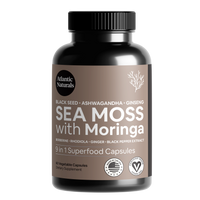
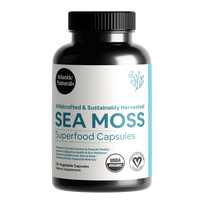
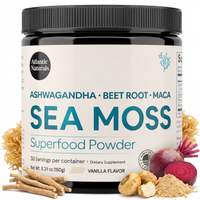
Atlantic Naturals’ Organic Sea Moss Supplements deliver high-quality wildcrafted sea moss from the Atlantic waters of Nova Scotia—third-party tested, filler-free, and made in the USA for trusted, hassle-free daily use.
Disclaimer:
This content is for informational purposes only and is not intended as medical advice. Always consult a qualified healthcare professional before adding new supplements to your routine.


Leave a Comment