


Last Updated: March 2026
Sea moss has rapidly gained popularity as a natural wellness supplement, especially among people looking to support clear, hydrated, and healthy-looking skin. This nutrient-rich seaweed—also known as Irish moss (Chondrus crispus)—contains minerals, antioxidants, and bioactive compounds that may help support skin health from both a nutritional and skincare perspective.
Sea moss may support skin health thanks to its minerals, antioxidants, and hydrating polysaccharides, which may help support collagen production, skin hydration, and barrier function.
While research on sea moss supplements is still developing, its nutrient profile has made it a common ingredient in skincare products and wellness routines.
In this guide, we’ll explore the science-backed connection between sea moss and skin health, including its nutrients, potential benefits, and how to use it safely.
What Is Sea Moss?
Sea moss is a species of red seaweed that grows along the Atlantic coasts of North America, Europe, and the Caribbean. Traditionally used in Irish and Caribbean cultures, sea moss has long been valued as a nutrient-dense food and natural remedy.
Today, sea moss is commonly available in several forms:
What makes sea moss unique is its rich nutritional profile, which includes vitamins, minerals, antioxidants, amino acids, and polysaccharides.
Because skin health is closely linked to nutrition and inflammation levels in the body, these nutrients may play a supportive role in maintaining healthy skin.
Sea moss has rapidly gained popularity as a natural wellness supplement. While many people are interested in sea moss for skin, it’s also widely known for its broader health and nutritional benefits. You can learn more in our guide to sea moss benefits.
Nutrients in Sea Moss That May Support Skin Health
Sea moss contains several nutrients commonly associated with healthy skin function.
Key Vitamins
Sea moss contains small amounts of several vitamins, including:
- Vitamin A
- Vitamin C
- Vitamin E
- Vitamin K
- B-vitamins
Vitamin A supports skin cell turnover, while vitamin C plays a role in collagen production.
Essential Minerals
Sea moss also provides minerals that contribute to skin structure and repair:
- Zinc
- Magnesium
- Calcium
- Potassium
- Iron
- Selenium
- Iodine
Zinc in particular has been widely studied for its role in wound healing and inflammation regulation in dermatology.
Antioxidants
Sea moss contains natural antioxidants that help protect cells from oxidative stress, a key contributor to premature skin aging.
Macroalgae have been shown to contain antioxidant compounds that help neutralize free radicals generated by environmental exposure such as pollution and UV radiation.
7 Potential Benefits of Sea Moss for Skin
While research specifically on sea moss supplements and skin outcomes is still emerging, its nutrient profile suggests several ways it may support skin health.
1. Supports Skin Hydration
Sea moss contains carrageenan polysaccharides, but commercial carrageenan is usually extracted and purified.
This compound helps retain moisture and is commonly used in skincare products to support skin hydration and softness.
Because of its hydrating properties, sea moss extracts are often included in moisturizers, serums, and hydrating masks.
2. Helps Support Collagen Production
Collagen is the structural protein responsible for skin firmness and elasticity.
Sea moss contains nutrients involved in collagen synthesis, including:
- Vitamin C
- Zinc
- Amino acids
- Sulfur compounds
These nutrients help support collagen production, which contributes to skin elasticity and firmness.
3. Supports the Skin Barrier
The skin barrier protects the body from environmental irritants while preventing excessive moisture loss.
Minerals, amino acids, and fatty acids found in sea moss may help support skin barrier strength, helping skin remain resilient against environmental stressors.
A healthy barrier is essential for maintaining balanced, comfortable skin.
4. Provides Antioxidant Protection
Oxidative stress contributes to visible signs of aging, including wrinkles, loss of elasticity, and uneven skin tone.
The antioxidants present in sea moss may help protect skin cells from oxidative damage caused by:
- pollution
- UV exposure
- environmental toxins
5. May Help Calm Skin Irritation
Sea moss contains anti-inflammatory compounds that may help soothe irritated or sensitive skin.
Some skincare formulations use sea moss extracts to support conditions associated with redness, dryness, or irritation.
Dermatology sources note that compounds such as fucoidans found in marine algae may have anti-inflammatory properties.
6. May Support Acne-Prone Skin
Sea moss contains zinc and antimicrobial compounds that may help support skin health in people prone to breakouts.
Zinc has been studied in dermatology for its ability to regulate inflammation and support healing processes.
However, dermatologists emphasize that sea moss should not replace clinically proven acne treatments.
7. May Improve Skin Texture
Some people use sea moss gel as a gentle, natural exfoliating mask.
This may help remove dead skin cells and improve skin texture, leaving skin smoother and brighter.
However, individuals with sensitive skin should perform a patch test before using topical sea moss products.
Important: Most evidence linking sea moss to skin health is based on its nutrient composition and properties of marine algae, while direct clinical research on sea moss supplements and skin outcomes remains limited.
Sea Moss for Acne
Sea moss contains compounds with antibacterial and anti-inflammatory properties that may help support acne-prone skin and potentially reduce breakouts. However, scientific evidence is still limited, and results can vary from person to person.
It’s best used as a supportive addition to a skincare routine rather than a replacement for dermatologist-recommended acne treatments.
How to Use Sea Moss For Skincare?
Sea moss can be used both in skincare products and as a dietary supplement.
Topical Sea Moss
Sea moss extracts are commonly found in skincare products such as moisturizers, serums, masks, and cleansers. These products utilize sea moss for its hydrating and soothing properties.
Some people also use sea moss-infused soaps as part of their daily skincare routine to gently cleanse and hydrate the skin.
You can explore our range of Sea Moss Soaps, which are formulated to cleanse the skin while supporting hydration and skin barrier health.
Sea Moss Supplements
Sea moss supplements provide minerals and antioxidants that may support overall wellness.
Because nutrition plays an important role in skin health, some people use sea moss supplements to support their broader skincare routine.
However, research directly linking oral sea moss consumption to skin improvements is still limited.
Is Sea Moss Safe?
Sea moss is generally considered safe when consumed in moderate amounts, but there are some important considerations.
Iodine Content
Sea moss naturally contains iodine, which supports thyroid health.
However, excessive iodine intake may disrupt thyroid hormone balance.
According to the National Institutes of Health (NIH) guidelines, the recommended dietary allowance (RDA) for iodine in adults is 150 mcg per day.
Potential Contaminants
Seaweed can absorb heavy metals from ocean environments.
Choosing third-party tested sea moss supplements from reputable brands can help reduce this risk.
How to Choose a High-Quality Sea Moss Supplement
Not all sea moss products are created equal.
When choosing a sea moss supplement, look for brands that provide:
- Wildcrafted or responsibly sourced sea moss
- Third-party testing for purity
- Transparent ingredient labeling
- Non-GMO ingredients
High-quality sourcing and testing help ensure product safety and consistency.
If you're new to sea moss, starting with a trusted sea moss supplement brand can provide a convenient and reliable way to incorporate it into your wellness routine.
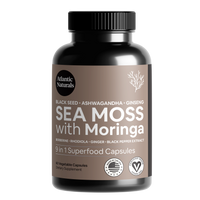
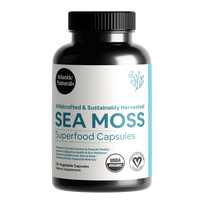
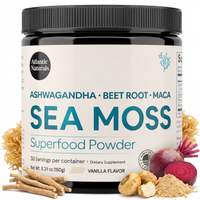
Atlantic Naturals uses wildcrafted sea moss sourced from the Atlantic waters of Nova Scotia. Our products are USA-made, manufactured in GMP-certified facilities, and third-party tested for quality and purity.
Final Thoughts
Sea moss is a nutrient-rich marine algae that contains minerals, antioxidants, and bioactive compounds associated with skin health.
Although more research is needed—especially on dietary supplements—its nutritional profile suggests sea moss may help support:
- Skin hydration
- Collagen production
- Antioxidant protection
- Skin barrier function
When combined with a balanced diet, proper skincare routine, and healthy lifestyle habits, sea moss may be a helpful addition to a broader approach to maintaining healthy skin.
Disclaimer: This article is for general informational purposes only and does not constitute medical advice.


Leave a Comment