

Most of what you'll read about sea moss online is enthusiasm. There's less about the other half of the story, the half that actually matters if you have a thyroid condition, take a daily medication, or are pregnant. So that's what this article is about.
Sea moss (Chondrus crispus) is a red seaweed that coastal communities have eaten for generations. It naturally contains minerals like iodine, plus a soluble fiber called carrageenan. For most healthy adults, taken in reasonable amounts from a quality source, it's well tolerated. It's also real food pulled from a real ocean, and that comes with real considerations. Below is the honest version: who should be cautious, what side effects can show up, and how to start well.
Why We Are Writing About Side Effects at All
A supplement brand walking through the downsides of its own product isn't the usual move. We see it differently. Sea moss is something we harvest, test, and take ourselves, and we'd rather you decide with the full picture in front of you. Sometimes that decision is that sea moss isn't right for you, or not right for you yet. If you finish this article and book a conversation with your doctor first, the article did its job.
Iodine: The Most Important Consideration
If you take one thing from this page, take this. Sea moss, like most seaweeds, naturally contains iodine. Your thyroid uses iodine to make the hormones that regulate metabolism and energy, so it's an essential mineral, and plenty of people don't get enough of it. The catch is that the thyroid is sensitive in both directions. Too little iodine is a problem. Consistently too much can be a problem too.
How much iodine is in sea moss?
It varies. Where the seaweed grew, how it was processed, how much you take, all of it moves the number. That variability is why serving size matters, and it's one reason raw sea moss gel can be harder to keep consistent than a measured capsule, since gel amounts tend to get eyeballed rather than measured. Whatever form you land on, look for a brand that discloses its testing and keeps servings in a sensible range instead of treating "more" as automatically better.
Who should talk to a healthcare provider before starting
Because of that iodine content, a few groups should check with a healthcare provider before adding sea moss to the routine:
- People with thyroid conditions. Hypothyroidism, hyperthyroidism, Hashimoto's, Graves' disease, nodules, a history of thyroid surgery: your iodine needs are specific to you. Your provider can say whether more iodine fits your situation.
- People taking thyroid medication. Iodine intake can matter to how those medications are managed. Don't adjust your dose or add an iodine-containing supplement without talking to the prescriber first.
- Women who are pregnant or nursing. Iodine needs shift during pregnancy and lactation, and both too little and too much can matter. That's a conversation for your OB or midwife, not a call to make from a blog post. Including this one.
For everyone else, the practical guidance is short. Follow the serving size on the label. Don't stack multiple iodine sources, since kelp, bladderwrack, and some multivitamins carry iodine too. And mention sea moss at your next checkup so it's part of your record.
Digestive Adjustment: Common and Usually Temporary
Sea moss is rich in soluble fiber and mucilage, the gel-like polysaccharides that give the gel its texture. Fiber is a good thing for most people. But any real jump in fiber intake can bring a short adjustment period. Some people notice mild bloating, gas, softer stools, or a change in regularity for the first week or two.
It's the same adjustment a lot of people feel when they add more beans, oats, or leafy greens, and it usually settles as your system adapts. A few habits make it easier:
- Start with a smaller serving than the label maximum and build up over a week or two.
- Drink plenty of water. Soluble fiber absorbs water, and staying hydrated helps it move comfortably.
- Take it with food if an empty stomach feels sensitive.
If the discomfort is severe, or it hasn't resolved after a couple of weeks, stop and talk to your healthcare provider. Persistent digestive symptoms are worth a professional look regardless of what's behind them.
Heavy Metals: A Quality Problem, Not a Sea Moss Problem
Seaweed absorbs whatever is in the water around it. That's exactly why it's mineral-rich, and it's also why sourcing matters more for sea moss than for almost any other supplement category. Sea moss grown in polluted water can accumulate heavy metals like arsenic, lead, cadmium, and mercury. This isn't a scare story. It's basic marine biology, and it's the strongest reason to buy tested sea moss rather than the cheapest product on the shelf.
Here's what separates a product you can trust from a question mark:
- Third-party testing. An independent lab, not just the manufacturer, should verify heavy-metal levels batch by batch. Ask any brand you're considering whether they'll show you recent certificates of analysis.
- Known harvest waters. A brand should be able to tell you where its sea moss comes from. A vague answer about origin is a fair reason to pause.
- Certifications with teeth. USDA Organic certification requires documented handling standards and traceability. It isn't a heavy-metal test on its own, but it reflects a supply chain that's actually audited.
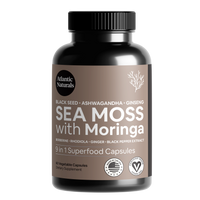
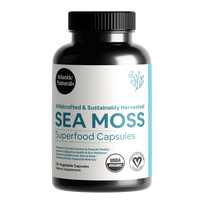
At Atlantic Naturals, every batch of our organic sea moss capsules is third-party tested, and we hold USDA Organic certification across our sea moss collection. We don't mention that to brag. It's the baseline you should expect from any sea moss brand, ours included.
Possible Interactions: Blood Thinners and Other Medications
Two things about sea moss are worth knowing if you take medication.
Vitamin K. Like many sea vegetables and leafy greens, sea moss contains some vitamin K, which plays a role in normal blood clotting. That's why people on vitamin K–sensitive anticoagulants such as warfarin are generally advised to keep their vitamin K intake steady and to tell their prescriber about dietary changes. It doesn't mean sea moss is off-limits for everyone on a blood thinner. It means the call belongs to the prescribing provider, who knows your medication and your monitoring schedule.
Carrageenan and absorption. The gel-forming fiber in sea moss can, in principle, affect how quickly other things move through your digestive tract. A common precaution with any fiber-rich supplement is to separate it from medications by a couple of hours. If you take something with a narrow dosing window, and thyroid medication is a frequent example, ask your pharmacist about timing.
The general rule is unglamorous and reliable. If you take a prescription medication regularly, mention sea moss to your provider or pharmacist before you start. Five minutes, and the guesswork is gone.
Allergies and Shellfish Cross-Contamination
Sea moss is an algae, not a shellfish, so it doesn't inherently contain shellfish proteins. The concern is processing, not the plant. Sea moss harvested, dried, or packaged in facilities that also handle shellfish or fish can pick up trace cross-contamination, which is a genuine risk for people with serious shellfish allergies and something low-cost, loosely documented supply chains are poorly equipped to control.
If you have a shellfish or fish allergy:
- Read the allergen statement on the label, and contact the brand directly if it's unclear.
- Favor brands that can actually describe their processing facilities and allergen controls.
- Talk to your allergist before trying sea moss for the first time. A history of severe reactions warrants professional guidance, full stop.
Separately, a true allergy to seaweed itself is uncommon but possible. If you get itching, swelling, hives, or trouble breathing after taking sea moss, stop and seek medical care.
Who Should Skip Sea Moss (or Wait for a Doctor's Green Light)
To gather the sections above into one place, sea moss is best avoided, or started only after a conversation with a healthcare provider, if any of these apply to you:
- You have a diagnosed thyroid condition or take thyroid medication
- You are pregnant, trying to become pregnant, or nursing
- You take anticoagulant or antiplatelet medication
- You have a serious shellfish or fish allergy
- You have a known sensitivity to iodine
- You have chronic kidney disease or another condition where mineral intake is medically managed
- You are considering it for a child, since pediatric supplement decisions belong with a pediatrician
None of this is a knock on sea moss as a food. These are situations where a general product meets an individual medical picture, and the individual picture should win.
How to Start Sea Moss Safely
For healthy adults who've reviewed the considerations above, starting well is simple:
- Choose a tested source. Third-party heavy-metal testing and a traceable origin aren't optional. Certifications like USDA Organic add accountability.
- Start low. Take a partial serving the first week to let your digestion adjust, then move to the labeled serving. Don't exceed it, because with iodine-containing foods, more is not better.
- Be consistent, not aggressive. A measured daily serving with water and food is the pattern that works. Capsules make that easy since each serving is identical. If you prefer gel, measure it instead of guessing.
- Don't double up on iodine. Check whether your multivitamin or other supplements already contain iodine, kelp, or bladderwrack.
- Pay attention for the first month. Notice how you feel, and bring it up at your next appointment.
If you want to go deeper on what sea moss actually offers once you're taking it, our guide to sea moss for skin covers one of the most common reasons people add it to their routine.
Frequently Asked Questions
What are the most common sea moss side effects?
The most commonly reported effects are mild and digestive: bloating, gas, or softer stools during the first week or two as your body adjusts to the added soluble fiber. They usually resolve on their own. Starting with a smaller serving and drinking plenty of water helps. Anything severe or persistent is a reason to stop and talk to your healthcare provider.
Can sea moss affect my thyroid?
Sea moss naturally contains iodine, which the thyroid uses to make hormones. For most healthy adults, a labeled serving of a quality product keeps iodine within a reasonable range. But if you have any thyroid condition or take thyroid medication, your iodine needs are individual, so talk to your healthcare provider before starting, and never adjust medication on your own.
Is sea moss safe during pregnancy?
This is a question for your OB, midwife, or healthcare provider, and we mean that sincerely rather than as boilerplate. Iodine needs shift during pregnancy and nursing, and the right answer depends on your diet, your prenatal vitamins, and your individual health picture. Bring the specific product and its label to that conversation.
Does sea moss contain heavy metals?
Sea moss absorbs minerals from the water it grows in, so sea moss from polluted waters can accumulate heavy metals like arsenic, lead, cadmium, and mercury. This is a sourcing and testing issue, not an inherent flaw in sea moss. Choose products that are third-party tested for heavy metals batch by batch and that disclose where their sea moss is harvested.
Can I take sea moss with blood thinners?
Ask your prescriber first. Sea moss contains some vitamin K, and people on vitamin K–sensitive anticoagulants such as warfarin are generally advised to keep their intake consistent and report dietary changes. Your provider or pharmacist can tell you whether sea moss fits your medication plan and whether timing adjustments make sense.
Where That Leaves You
Sea moss is a traditional sea vegetable that most healthy adults tolerate well when it comes from clean waters, gets tested by an independent lab, and is taken at a sensible, consistent serving. The real considerations, iodine and digestion and medication interactions and allergen handling, are manageable with a bit of knowledge and, where your health history calls for it, a conversation with your provider.
We built our sea moss collection around exactly these concerns: USDA Organic certification, per-batch third-party testing, and measured servings that keep consistency simple. Whether you start with us or somewhere else, start informed. Your body, and your doctor, will thank you for it.
This article is for informational purposes only and is not medical advice. These statements have not been evaluated by the Food and Drug Administration. These products are not intended to diagnose, treat, cure, or prevent any disease.


Leave a Comment