


Last updated: May 2026
Sea moss has become one of the most popular superfoods in the U.S. However, with that popularity comes a growing issue: fake, low-quality, or mislabelled sea moss products.
If you’ve ever wondered why one batch looks bright yellow, another looks perfectly uniform, or some feel overly slimy—you’re not imagining it.
This guide will show you exactly how to tell if sea moss is real, what to avoid, and how to choose high-quality products with confidence.
Real vs Fake Sea Moss (Quick Answer)
Real sea moss is naturally ocean-grown, with irregular shapes, natural color variation, and a mild ocean smell.
Fake or low-quality sea moss is often pool-grown, overly uniform, brightly colored, or may have a chemical smell or unusual texture.
Quick Checklist: How to Tell If Sea Moss Is Real
Use this quick checklist if you’re wondering how to identify real sea moss before buying:
Real Sea Moss:
- Irregular, uneven shape
- Natural color variation (gold, purple, brown)
- Mild ocean smell
- Slight sand or ocean debris
- Expands naturally when soaked
Fake or Low-Quality Sea Moss:
- Perfectly uniform strands
- Bright or artificial-looking color
- No smell or chemical scent
- Extremely slimy or rubbery texture
- Looks overly “clean” or processed
What Does “Real” Sea Moss Actually Mean?
True sea moss is wild-harvested seaweed from natural ocean environments, retaining its original shape, color, and species traits.
It is typically sourced from specific regions and collected through sustainable practices, making it a more reliable and environmentally responsible choice.
To better understand its nutritional value, read our guides on what vitamins are in sea moss and what minerals are in sea moss.
What Is “Fake” Sea Moss?
“Fake” sea moss doesn’t always mean it isn’t seaweed—it usually refers to:
- Pool-grown or tank-grown sea moss
- Mislabelled products (sold as “wildcrafted”)
- Dyed or bleached sea moss
- Products with fillers or additives
In many cases, it’s grown in controlled environments, which may lead to reduced mineral diversity compared to wild sea moss, depending on conditions.
How to Identify Real Sea Moss (Step-by-Step)
1. Structure: Shape and Form
Real sea moss:
- Irregular, branching strands
- Uneven lengths and thickness
- Natural, imperfect appearance
Fake or altered sea moss:
- Uniform, identical strands
- Looks overly neat or manufactured
- May appear pressed or artificially shaped
If it looks too perfect, it’s worth questioning.
2. Color: What to Look For
Real sea moss:
- Usually comes in natural shades like gold, brown, purple, or green
- Often shows slight variation within the same batch
- May have faded areas or small imperfections
Low-quality or processed sea moss:
- Bright, neon, or overly uniform in color
- Artificial or dyed appearance
Natural sea moss rarely looks perfectly consistent.
3. Texture: How It Should Feel
Real sea moss:
- Feels slightly coarse or gritty when dry
- Flexible but not rubbery
Fake or over-processed sea moss:
- Feels overly smooth, sticky, or gelatinous
- Slimy straight out of the package
4. Taste
Real sea moss:
- Mild ocean taste initially
- Becomes mostly neutral after soaking
Fake sea moss:
- Overly salty or chemical-like taste
5. Sea Debris & Natural Impurities
Real sea moss:
- May contain small amounts of sand, tiny shells, or natural ocean particles
- This is normal and can be easily washed away during soaking.
Fake or heavily processed sea moss:
- Often appears completely clean with no debris, which can be a sign it wasn’t grown in a natural ocean environment.
Practical At-Home Tests to Check Sea Moss Quality
Once you’ve checked appearance, texture, and taste, simple at-home tests can give you even more confidence.
1. Smell Test
Real sea moss:
- Mild ocean or seaweed scent
- Slightly salty and earthy
Low-quality sea moss:
- No smell at all
- Chemical or artificial odor
2. Soak and Feel Test
Place a small amount of dry sea moss in water for a few hours.
What to expect from real sea moss:
- Expands naturally
- Softens while holding its structure
- Water may become slightly cloudy (this is normal)
Warning signs:
- Becomes overly slimy or gluey
- Breaks down too quickly
- Feels rubbery or unnatural
- Releases dye
Wildcrafted vs Pool-Grown Sea Moss
Wildcrafted (Real):
- Grown in natural ocean currents
- Absorbs minerals from seawater
- Natural variation in shape and color
Pool-Grown:
- Grown in tanks
- More uniform appearance
- May have reduced mineral diversity
Pool-grown sea moss isn’t always unsafe, but it is often mislabelled as wildcrafted, which can mislead buyers.
Types of Sea Moss (Why They Look Different)
Not all sea moss looks the same. Different species naturally vary in color, texture, and structure—this is completely normal and doesn’t always mean it’s fake.
Chondrus crispus (Irish Moss)
- Found in cooler Atlantic waters
- Darker shades (deep purple to reddish-brown)
- Flat, branching, slightly curly structure
- More delicate and less stringy
Gracilaria & Eucheuma (Commonly Marketed as Sea Moss)
- Found in warmer, tropical waters
- Usually light gold, tan, or greenish-yellow when sun-dried, with occasional pink or purple tones in wild varieties.
- Long, thin, and stringy (noodle-like appearance)
- Firmer when dry, softens after soaking
Because of these natural differences, color and shape alone don’t determine quality—what matters more is sourcing, processing, and overall appearance.
Read our full guide on whether Irish sea moss is the same as sea moss.
Why Some Sea Moss Looks Different
Sea moss can vary in appearance for several natural reasons:
- Species: Different types, such as Chondrus crispus or Gracilaria, have naturally different shapes and colors
- Region: Sea moss grown in different ocean environments can vary in color and texture
- Drying method: Sun-drying and processing techniques can slightly change its final appearance
These differences are normal and don’t necessarily mean the sea moss is fake.
Where to Buy Real Sea Moss
To find high-quality sea moss:
- Buy from transparent brands
- Check sourcing location
- Look for third-party lab testing
- Avoid extremely cheap products
Always ask:
- Where was it harvested?
- Is it wildcrafted or farmed?
- Is it tested for contaminants?
Tips to Choose High-Quality Sea Moss
When buying sea moss, look for:
- ✔ Clear sourcing (country + harvest method)
- ✔ Wildcrafted or responsibly farmed labeling
- ✔ Third-party testing (heavy metals, contaminants)
- ✔ Minimal processing (raw or sun-dried)
- ✔ Transparent brand information
If you’re looking for a reliable option, it’s important to choose a brand that’s transparent about sourcing and testing.
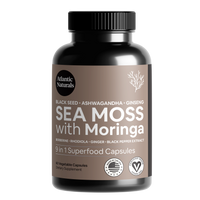
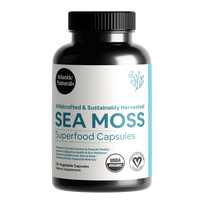
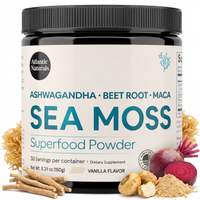
Atlantic Naturals offers organic Irish sea moss supplements that are made in the USA, third-party lab tested, and sourced from high-quality wildcrafted sea moss, with no unnecessary fillers or artificial additives.
Their products are manufactured in GMP-certified facilities and every batch is tested for purity and heavy metals—so you know exactly what you’re getting.
If you're planning to take sea moss regularly, it's also important to understand how much sea moss you should take daily and what’s considered safe.
Why Quality Matters
Sea moss absorbs nutrients—and potential contaminants—from its environment.
That means:
- Cleaner waters → better quality
- Poor sourcing → lower quality or contamination risk
This is why choosing a high-quality, tested source is important.
You can also explore our detailed guide on the health benefits of sea moss.
Common Sea Moss Scams to Avoid
- Fake “wildcrafted” labeling
- Extremely cheap pricing
- No lab testing
Sea moss is often called a “superfood,” but not all products live up to that claim. If you’re curious, read our detailed breakdown on whether sea moss is truly a superfood.
Key Takeaway
Real sea moss is naturally grown, irregular in shape, and minimally processed, while fake or low-quality sea moss is often overly uniform, artificially colored, or poorly sourced.
By checking appearance, smell, texture, and sourcing, you can confidently choose high-quality sea moss and avoid common scams.
Disclaimer
This article is for informational purposes only and does not constitute medical advice.


Leave a Comment