



Last updated: April 2026
Sea moss has exploded in popularity across the U.S., showing up in smoothies, supplements, and wellness routines everywhere. You’ve probably seen claims that it can boost immunity, improve skin, support thyroid health, and even increase energy.
Some people swear by it. Others call it overhyped.
So what’s the truth?
Is sea moss actually a superfood — or just another health trend that’s been blown out of proportion?
Let’s break it down with a balanced, evidence-based look.
Quick Answer: Is Sea Moss a Superfood?
Short answer: Sea moss can be considered a superfood because it’s rich in minerals like iodine, magnesium, and calcium. However, many of its claimed benefits lack strong human research, and consuming too much may cause side effects like thyroid issues.
What Is Sea Moss?
Sea moss, also known as Irish moss (Chondrus crispus), is a type of red algae that grows along the Atlantic coasts of North America and Europe.
Traditionally, it’s been used as:
- A natural thickening agent (carrageenan)
- A plant-based nutrient source
- A survival food during times of scarcity
It has a slightly ocean-like taste and a gel-like texture — which is why many people prefer supplements over raw forms.
Types of Sea Moss (Gel, Capsules, Powder)
Sea moss comes in several forms, each with its own benefits:
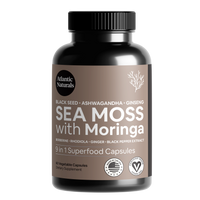
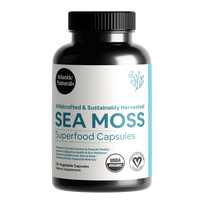
- Capsules: Convenient, pre-measured doses
- Powders: Easy to mix into drinks or recipes
- Gels: Traditional form, often added to smoothies and foods
- Gummies: More palatable but may contain added sugars
- Liquids: : Pre-mixed and ready to consume
Capsules are often chosen for convenience and consistent dosing.
Why Is Sea Moss Called a “Superfood”?
Let’s be clear: “superfood” is a marketing term, not a scientific one.
Sea moss earns this label mainly because of its high mineral content, including:
- Iodine
- Calcium
- Magnesium
- Potassium
- Zinc
- Iron
Sea Moss Nutrition Facts (Per Serving)
A typical serving (about 2 tablespoons of sea moss gel) contains:
- Calories: ~5
- Fat: 0g
- Carbohydrates: ~1g
- Protein: 0g
- Key nutrients: iodine, calcium, magnesium, potassium
Keep in mind: Nutrient levels vary widely depending on where and how sea moss is harvested.
What Are the Real Benefits of Sea Moss?
Here’s what current evidence suggests:
1. Supports Thyroid Function
Sea moss is naturally high in iodine, which your thyroid needs to produce hormones that regulate metabolism.
- Supports energy balance
- Helps maintain hormone function
But there’s a catch:
Too much iodine can disrupt thyroid health instead of helping it.
Excess iodine can cause thyroid dysfunction. The tolerable upper intake level for adults is 1,100 mcg per day. If you have a thyroid condition, consult a healthcare provider before adding sea moss to your routine.
2. May Support Gut Health
Sea moss contains compounds that may act as prebiotics, feeding beneficial gut bacteria.
This may:
- Support digestion
- Improve gut balance
- Promote fullness
However, this benefit isn’t unique — many fiber-rich foods offer the same effect.
Although sea moss is often linked to weight loss, it shouldn’t be considered a dedicated weight-loss solution.
3. May Support Immune Function
Sea moss contains nutrients like zinc and antioxidants that contribute to normal immune function as part of a balanced diet.
Some early lab studies suggest antimicrobial properties — but human evidence is still limited.
4. May Support Skin Health
Sea moss is often linked to:
- Improved hydration
- Reduced inflammation
- Better skin appearance
That said, topical use in skincare is more supported than eating it for skin benefits.
Although most evidence is anecdotal or based on general nutrient effects.
Read our detailed guide on the benefits of sea moss for skin.
5. May Support Energy Levels
Minerals like iron and magnesium play a role in:
- Reducing fatigue
- Supporting muscle function
- Energy production
Learn more about evidence-based benefits of sea moss and side effects.
Is Sea Moss Good for You?
Sea moss can be beneficial when used in moderation as part of a balanced diet.
However:
- It is not essential for good health
- It should not replace whole foods
- Benefits depend on overall nutrition and lifestyle
What Are the Risks of Sea Moss?
While sea moss has benefits, this is where things can go wrong.
1. Excess Iodine
Sea moss can contain very high and unpredictable iodine levels.
The recommended dietary allowance (RDA) for iodine in adults is 150 mcg per day. (Source: National Institutes of Health (NIH) guidelines).
Too much iodine may lead to:
- Thyroid dysfunction
- Hormonal imbalance
- Goiter (enlarged thyroid)
2. Heavy Metal Contamination
Because sea moss grows in the ocean, it can absorb trace amounts of heavy metals such as mercury, arsenic, and lead.
The FDA notes that sea vegetables can accumulate heavy metals depending on environmental conditions. This is why sourcing and testing are critical.
3. Digestive Issues
Some people experience:
- Bloating
- Nausea
- Diarrhea
Especially when consuming large amounts.
4. Carrageenan Concerns
Sea moss contains carrageenan, a compound widely used in food products.
While food-grade carrageenan is generally considered safe, some research suggests it may irritate the gut in sensitive individuals.
How to Choose High-Quality Sea Moss
If you’re thinking of trying sea moss, quality matters more than anything.
Look for:
✔ Third-party tested products
✔ Clear sourcing (clean ocean waters)
✔ Identified species (Chondrus crispus)
✔ Transparent labeling (especially iodine content)
This is where most people make mistakes — buying low-quality or untested products.
Avoid products that don’t disclose sourcing or testing — these are often lower quality.
How to Use Sea Moss Safely
- Start with small amounts (1–2 tablespoons gel or equivalent)
- Avoid combining with other iodine-rich supplements
- Choose tested, high-quality products
- Consult a healthcare provider before starting a new supplement, especially if you have a pre-existing health condition
How Much Sea Moss Should You Take Daily?
General guidance suggests consuming about 1 to 2 tablespoons of sea moss gel per day, or roughly 4 grams if using dried sea moss.
Intake should remain moderate to avoid excess iodine exposure.
Iodine content can vary widely depending on the source, so exact intake levels are not standardized.
Wondering if you can take sea moss every day? Read our full guide on daily use and safety.
Who Should Avoid Sea Moss?
Sea moss may not be suitable for:
- People with thyroid disorders
- Those on thyroid or blood-thinning medications
- Pregnant or breastfeeding individuals
- People with seafood allergies
Sea Moss Benefits and Side Effects (Summary)
Benefits:
- Rich in essential minerals
- May support thyroid and gut health
Risks:
- Excess iodine
- Heavy metal exposure
- Digestive issues
Is Sea Moss Really Worth It?
Sea moss isn’t a miracle — but it’s not useless either.
Think of it as:
- A nutrient-rich addition to your diet
- Not a replacement for whole foods or medical care
A balanced diet will always have a greater impact on your health than any single supplement.
The Bottom Line
Sea moss can be considered a superfood — but not in the way social media suggests.
While sea moss is nutrient-dense, experts note that many of its health claims still lack strong human research.
It offers valuable nutrients, but:
- It won’t transform your health overnight
- It comes with real risks if overused
If you’re considering sea moss, start with small amounts and choose high-quality, tested products to reduce potential risks.
Disclaimer:
This content is for informational purposes only and does not constitute medical advice. Always consult a qualified healthcare professional before making dietary or supplement changes.


Leave a Comment